Pregnancy brings many changes to your skin, making it important to choose skincare products carefully. If you are wondering whether NIVEA, Burt’s Bees, or Mustela is the safest option, the answer depends on the ingredients rather than the brand name. Many everyday moisturizers from these companies may be suitable during pregnancy, but certain ingredients require extra attention.
NIVEA offers affordable daily hydration, Burt’s Bees focuses on nature-inspired ingredients, and Mustela specializes in maternity skincare. Understanding their differences, checking ingredient lists, and avoiding ingredients such as retinoids can help you build a comfortable pregnancy skincare routine that supports healthy, hydrated skin.
Are NIVEA Products Safe During Pregnancy Compared to Burt’s Bees or Mustela?
Generally, many everyday products from NIVEA, Burt’s Bees, and Mustela can be suitable for pregnant women. However, no brand is automatically safe simply because it is popular, marketed as natural, or designed specifically for maternity care.
The most important consideration is the product’s complete ingredient list. Different products from the same company can contain different active ingredients, fragrances, preservatives, and botanical extracts.
Here is what you should understand about the three brands:
- NIVEA: Offers everyday moisturizers, facial creams, and body lotions designed to support hydration and skin comfort.
- Burt’s Bees: Focuses on nature-inspired skincare, natural-origin ingredients, plant oils, and botanical extracts.
- Mustela: Provides maternity skincare and baby-care products, including creams and oils developed with pregnancy-related skin concerns in mind.
For most pregnant women, a basic moisturizer without problematic active ingredients is a reasonable choice. If you are concerned about a particular formula, ask your obstetrician, dermatologist, or pharmacist to review it.
The best choice is the product that supports your skin comfortably without containing ingredients that are unsuitable during pregnancy.
NIVEA vs. Burt’s Bees vs. Mustela: Quick Comparison
Comparing these three brands helps explain their different approaches to pregnancy skincare. Although they all offer moisturizing products, their main focus, ingredient approach, and product availability differ.
| Feature | NIVEA | Burt’s Bees | Mustela |
| Main focus | Everyday skincare and hydration | Nature-inspired skincare | Maternity skincare and baby care |
| Pregnancy products | General moisturizers and body care | Mama Nourishing Body Oil and body care | Dedicated maternity skincare range |
| Ingredient approach | Conventional cosmetic ingredients | Natural-origin ingredients and botanical extracts | Maternity-focused cosmetic formulations |
| Fragrance | Varies by product | Varies by product | Varies by product |
| Potential advantage | Affordable everyday hydration | Plant oils and nourishing formulas | Pregnancy-focused product selection |
| Main precaution | Check fragrance and active ingredients | Natural ingredients can cause allergies | Check the complete ingredient list |
This product comparison shows that each brand offers something different. NIVEA may appeal to people looking for affordable daily hydration, Burt’s Bees may attract those interested in plant-based skincare, and Mustela may suit women seeking dedicated maternity skincare.
However, none of these brands guarantees pregnancy safety across its entire product range.
What Makes a Skincare Product Suitable During Pregnancy?
Skincare during pregnancy requires additional attention because hormonal changes can affect oil production, sensitivity, pigmentation, and moisture levels.
A suitable pregnancy skincare product should ideally have a simple formulation, provide the benefits your skin needs, and avoid ingredients that healthcare professionals generally recommend avoiding during pregnancy.
Consider these important factors:
1. Appropriate active ingredients
Check whether the product contains retinol, prescription retinoids, or other ingredients that require pregnancy-specific precautions.
2. Gentle formulation
Products with gentle cleansing and moisturizing ingredients can help protect the skin barrier and reduce unnecessary irritation.
3. Fragrance considerations
Fragrance and perfume are not automatically unsafe during pregnancy. However, they may cause skin irritation, especially when hormonal changes make your skin more sensitive.
4. Suitable for your skin type
Your skin may become drier, oilier, or more sensitive during pregnancy. Choose products according to your changing skin condition.
5. Reliable product information
Always read the ingredient list instead of depending entirely on marketing descriptions such as natural, organic, clean, or maternity-safe.
The American College of Obstetricians and Gynecologists (ACOG) provides pregnancy-related skincare guidance, including information about acne treatments and sun protection. Its recommendations are useful when deciding which active ingredients deserve extra attention.
NIVEA During Pregnancy: Benefits, Ingredients, and Precautions
NIVEA is a widely recognized skincare brand offering body lotions, face creams, cleansing products, and everyday moisturizers.
Many women already use NIVEA before pregnancy and wonder whether they need to replace their familiar skincare products after becoming pregnant.
In most cases, there is no automatic reason to stop using a basic NIVEA moisturizer if its ingredients are suitable and it does not irritate your skin.
Benefits of NIVEA Moisturizers
NIVEA moisturizers are designed to support everyday hydration and improve skin comfort.
Some potential benefits include:
- Daily hydration: Helps reduce dryness and maintain comfortable skin.
- Moisture barrier support: Emollient ingredients help soften skin and reduce moisture loss.
- Affordable options: Many products are available at accessible prices.
- Different textures: Consumers can choose between lightweight creams, richer body lotions, and thicker moisturizers.
- Easy availability: NIVEA products are widely distributed in many countries.
NIVEA Soft cream is a familiar example of an everyday moisturizer. Its suitability during pregnancy depends on the specific formulation and individual skin sensitivity.
If you are asking, “Can I use NIVEA Soft cream during pregnancy?” the general answer is that a basic moisturizing cream may be suitable, provided its current ingredient list does not contain ingredients you have been advised to avoid.
NIVEA Ingredients to Check
Although many NIVEA moisturizers are suitable for ordinary skincare, checking the ingredient list remains important.
Pay attention to:
- Fragrance and perfume, particularly if you have fragrance sensitivity.
- Retinol or other topical retinoids in specialized facial products.
- Strong exfoliating ingredients in targeted skincare treatments.
- Ingredients that have previously caused allergic reactions.
- Any unfamiliar active ingredients in anti-aging or skin-lightening products.
Some NIVEA formulations contain synthetic ingredients, but synthetic does not automatically mean harmful. Safety depends on the specific ingredient, its concentration, formulation, and intended use.
Who May Prefer NIVEA?
NIVEA may be a practical option for pregnant women who:
- Want affordable everyday moisturizers.
- Need a simple body lotion for dry skin.
- Prefer familiar skincare products.
- Want accessible facial moisturizers.
- Do not need a specialized maternity skincare range.
If your skin tolerates NIVEA well, replacing every product simply because you are pregnant may be unnecessary.
Burt’s Bees During Pregnancy: Natural Ingredients and Skin Benefits
Burt’s Bees is known for nature-inspired skincare products featuring ingredients such as plant oils, botanical extracts, and beeswax.
Its approach may appeal to pregnant women who prefer products containing natural-origin ingredients. However, natural does not mean safer in every situation.
Plant extracts and essential oils can also cause skin irritation or allergic reactions.
Is Burt’s Bees a Good Choice for Pregnant Women?
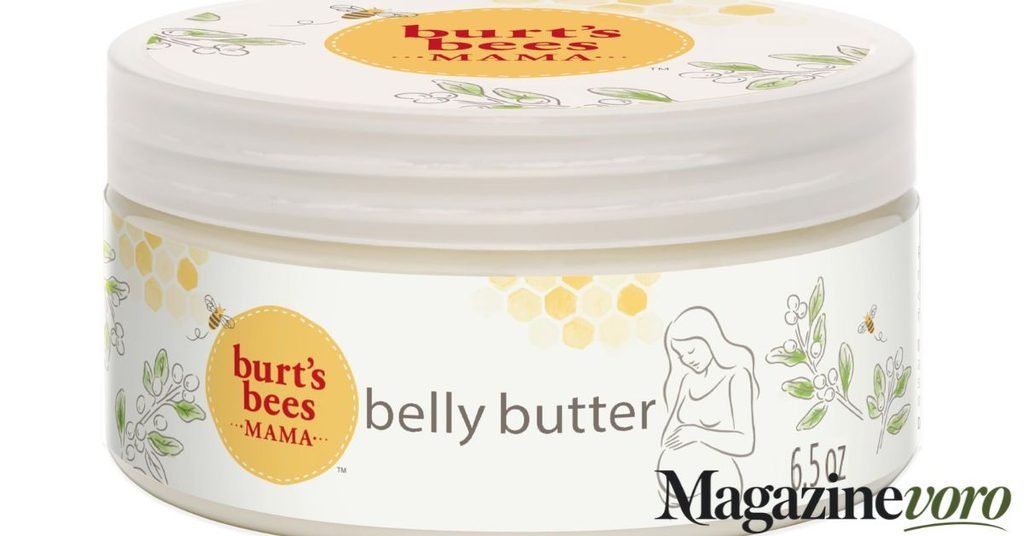
Burt’s Bees can be a reasonable option for pregnant women when individual products contain appropriate ingredients.
One recognizable maternity product is Burt’s Bees Mama Nourishing Body Oil, which is designed to moisturize the skin during pregnancy.
Body oils can help soften dry skin and improve skin comfort. They may also make massage easier, particularly when applied after bathing.
However, using a natural-origin body oil does not guarantee that it will prevent pregnancy stretch marks.
Pregnant women should also distinguish between ordinary moisturizing products and treatments containing concentrated active ingredients.
Essential Oils, Fragrance, and Allergies
Burt’s Bees products may contain botanical ingredients, fragrance, or essential oils, depending on the formulation.
These ingredients deserve attention if you have sensitive skin.
Potential concerns include:
- Fragrance sensitivity.
- Allergic reactions to botanical extracts.
- Redness and itching.
- Irritation from concentrated essential oils.
- Reactions to beeswax or other naturally derived ingredients.
If a product causes discomfort, stop using the product and discuss persistent symptoms with a healthcare professional.
A patch test (small area test) can help identify local irritation before applying a new moisturizer more widely. However, it cannot guarantee that an ingredient will never cause a reaction.
Who May Prefer Burt’s Bees?
Burt’s Bees may appeal to pregnant women who:
- Prefer nature-inspired skincare.
- Enjoy plant oils and botanical ingredients.
- Want a pregnancy-focused body oil.
- Prefer products marketed with natural-origin ingredients.
- Need additional moisture for dry skin.
Women with fragrance sensitivity or known botanical allergies should examine individual formulations carefully.
Mustela During Pregnancy: Maternity Skincare and Stretch Marks
Mustela is particularly recognizable in maternity and baby skincare. Its product range includes maternity-focused moisturizers, body oils, and stretch mark creams.
Unlike general skincare brands, Mustela offers products specifically marketed for pregnancy-related skin concerns.
This makes it an attractive option for women looking for dedicated maternity skincare.
Why Consider Mustela?
Mustela provides products designed around common pregnancy skincare concerns, including dryness, tightness, and changing skin comfort.
Its potential advantages include:
- Dedicated maternity skincare products.
- Moisturizing formulations for expanding abdominal skin.
- Products designed for different stages of maternity care.
- Body lotions and oils intended to improve skin softness.
- Options for women looking for pregnancy-focused body care.
However, pregnancy-specific marketing should not replace ingredient checks.
Always review the complete ingredient list, especially if you have sensitive skin or a history of allergic reactions.
Can Mustela Stretch Mark Cream Prevent Stretch Marks?
Mustela stretch mark cream is designed to moisturize the skin and support its comfort as the abdomen expands.
Pregnancy stretch marks develop when the deeper layers of skin change as the body grows. Genetics, hormonal factors, and individual skin characteristics can influence their development.
A moisturizer may help:
- Reduce dryness.
- Improve skin softness.
- Relieve feelings of tightness.
- Support the skin’s moisture barrier.
- Make itchy belly skin feel more comfortable when dryness is responsible.
However, there is no reliable guarantee that Mustela stretch mark cream or another cosmetic product can prevent stretch marks.
Regular moisturizing can improve skin comfort, but it should not be presented as a guaranteed prevention treatment.
Who May Prefer Mustela?
Mustela may be suitable for women who:
- Prefer a dedicated maternity skincare range.
- Want a pregnancy-specific stretch mark cream.
- Need body care for dry or uncomfortable skin.
- Prefer products developed around maternity needs.
- Want a coordinated maternity skincare routine.
It may cost more than some everyday moisturizers, so consider your budget and the actual benefits you need.
Which Skincare Ingredients Should Pregnant Women Check or Avoid?
Ingredient awareness is one of the most important parts of pregnancy skincare.
Even if a product comes from a trusted company, its individual formulation may contain ingredients that require caution.
Retinol and Other Topical Retinoids
Retinoids are commonly used in anti-aging treatments and acne products.
Examples include:
- Retinol.
- Tretinoin.
- Adapalene.
Pregnant women are generally advised to avoid topical retinoids as a precaution because of concerns associated with vitamin A derivatives and fetal development.
Prescription treatments such as tretinoin should be discussed with your prescribing healthcare professional.
If you have used a retinoid before realizing you were pregnant, stop using it and contact your obstetrician for personalized guidance. Accidental topical exposure does not automatically mean that harm has occurred.
Salicylic Acid and Other Acne Ingredients
Salicylic acid is used in products designed for acne-prone skin, clogged pores, and exfoliation.
According to pregnancy skincare guidance from the American College of Obstetricians and Gynecologists, certain over-the-counter topical acne treatments, including salicylic acid, may be used during pregnancy.
However, concentration, application area, frequency, and formulation matter.
Avoid assuming that every acne treatment is appropriate during pregnancy. Discuss stronger treatments and prescription products with a dermatologist or obstetrician.
Read More: Denika Kisty: Jason Williams’ Wife and Former All-American Athlete
Fragrance, Essential Oils and Hydroquinone
Several other ingredients deserve consideration.
Fragrance and perfume: These ingredients are not universally prohibited during pregnancy, but they can cause skin irritation or fragrance sensitivity.
Essential oils: Concentrated essential oils may cause irritation or allergic reactions. Their suitability depends on the specific oil, concentration, and method of use.
Hydroquinone: This ingredient is commonly found in skin-lightening products. Due to concerns about its absorption and limited pregnancy safety information, it is generally recommended to avoid hydroquinone during pregnancy.
If you are uncertain about a particular product, ask a healthcare professional or pharmacist to review its ingredient list.
Which Brand Is Best for Your Skin Type During Pregnancy?
There is no single winner for every pregnant woman. The best brand depends on your skin type, budget, fragrance tolerance, and skincare goals.
Here is a practical way to compare the three options.
| Skin Type or Concern | Suggested Brand | Reason |
| Normal skin | NIVEA | Everyday hydration options |
| Dry skin | NIVEA or Mustela | Moisturizing body creams and lotions |
| Sensitive skin | Mustela or a suitable fragrance-free option | Pregnancy-focused options, depending on formulation |
| Preference for botanical ingredients | Burt’s Bees | Nature-inspired skincare |
| Pregnancy body care | Mustela | Dedicated maternity products |
| Budget-conscious skincare | NIVEA | Accessible everyday moisturizers |
| Pregnancy body oil | Burt’s Bees | Mama Nourishing Body Oil |
Remember that these are general product preferences, not medical safety rankings. A fragrance-free moisturizer from CeraVe, for example, may be more appropriate for someone with sensitive skin than a fragranced product from any of the three brands.
The Ordinary also offers targeted skincare products, but each formula should be assessed individually rather than assuming the entire range is pregnancy-safe.
How to Build a Simple Pregnancy Suitable Skincare Routine?
A pregnancy skincare routine does not need to include expensive products or multiple treatment steps.
A simple routine can support hydration, protect the skin barrier, and reduce unnecessary irritation.
Morning routine
- Use a gentle cleanser to remove overnight oil and impurities.
- Apply a suitable moisturizer to your face.
- Use a broad-spectrum sunscreen with SPF 30 or higher.
- Apply a comfortable body lotion if your skin feels dry.
Evening routine
- Clean your face with a gentle cleanser.
- Apply a moisturizer suitable for your skin type.
- Use a body lotion or body oil on dry areas.
- Apply additional moisturizer to areas experiencing tightness or dryness.
Additional recommendations
- Avoid introducing several new products at once.
- Choose non-comedogenic products if you have acne-prone skin.
- Avoid retinoids during pregnancy.
- Keep your skincare routine consistent.
- Consult your obstetrician before using prescription treatments.
If you plan to continue your routine while breastfeeding, check product-specific guidance because some ingredients may require additional precautions during that period.
NIVEA vs. Burt’s Bees vs. Mustela: Which Offers the Best Value?
The best value does not always mean choosing the cheapest product.
You should consider how much product you receive, how frequently you use it, its texture, packaging, availability, and whether it meets your skincare needs.
NIVEA: Often offers good value for everyday hydration. Its wide availability and variety of moisturizers make it a practical choice for regular body care.
Burt’s Bees: May provide value for shoppers specifically interested in plant oils and nature-inspired skincare. However, specialized products can cost more than ordinary moisturizers.
Mustela: Offers a maternity-focused product selection, which may appeal to women who want pregnancy-specific body care. Its specialized positioning may come with a higher price.
Before purchasing, compare the price per gram or milliliter rather than looking only at the package price.
Also consider whether you actually need a specialized stretch mark cream or whether an affordable everyday moisturizer will provide sufficient hydration.
Common Mistakes to Avoid When Choosing Pregnancy Skincare
Pregnancy can make ordinary skincare decisions more complicated. Avoiding a few common mistakes can help you build a more comfortable routine.
- Assuming natural products are automatically safer: Natural does not mean safer. Botanical extracts and essential oils can cause allergic reactions.
- Trusting brand names instead of ingredient lists: Different products from the same brand may contain different active ingredients.
- Using retinol without checking pregnancy guidance: Avoid retinoids during pregnancy unless a healthcare professional provides specific instructions.
- Buying expensive stretch mark products for guaranteed results: No cosmetic cream guarantees stretch mark prevention.
- Ignoring fragrance sensitivity: Perfume and essential oils may cause redness and itching.
- Changing your entire routine unnecessarily: You may not need to replace familiar moisturizers if their ingredients are appropriate.
- Ignoring persistent itching: Severe itching, particularly on the palms or soles without a rash, can indicate a pregnancy-related condition called intrahepatic cholestasis of pregnancy. Contact your maternity care professional promptly.
If your skincare product causes itching or redness, stop using the product and seek advice if symptoms persist or worsen.
Frequently Asked Questions
1. Can I use NIVEA Soft cream during pregnancy?
Generally, NIVEA Soft cream may be suitable for everyday moisturizing during pregnancy. However, check the current ingredient list for fragrance or any ingredients you have been advised to avoid. If you experience irritation, discontinue use.
2. Is Burt’s Bees a good choice for pregnant women?
Burt’s Bees can be a reasonable option when individual formulations contain suitable ingredients. Its Mama Nourishing Body Oil is designed for maternity skincare, but natural-origin ingredients and essential oils can still cause irritation or allergies.
3. Can Mustela stretch mark cream prevent pregnancy stretch marks?
Mustela stretch mark cream can moisturize the skin, improve softness, and reduce feelings of dryness or tightness. However, there is no guarantee that it will prevent pregnancy stretch marks because genetics and other biological factors influence their development.
4. Do I need a special pregnancy skincare brand?
No. You do not necessarily need a dedicated maternity skincare brand. A suitable everyday moisturizer from NIVEA, CeraVe, or another reputable company may work well if its ingredients are appropriate for pregnancy and your skin tolerates it.
5. Can I use skincare products that contain perfume while pregnant?
Products containing perfume are not automatically unsafe during pregnancy. However, fragrance may trigger skin irritation, especially if your skin becomes more sensitive. Fragrance-free products may be a better option if you experience redness, itching, or discomfort.
Conclusion
Choosing between NIVEA, Burt’s Bees, and Mustela during pregnancy depends on your skin type, ingredient preferences, budget, and skincare needs. NIVEA offers affordable everyday hydration, Burt’s Bees appeals to women who prefer nature-inspired ingredients, and Mustela provides dedicated maternity skincare options. However, no brand is automatically safe, and natural ingredients are not always irritation-free. Always check ingredient lists, avoid retinoids during pregnancy, and choose gentle moisturizers that support your skin barrier. If you experience persistent itching, redness, or irritation, consult your healthcare professional. Ultimately, the best pregnancy skincare product is one that keeps your skin comfortable, hydrated, and suitable for your individual needs.